
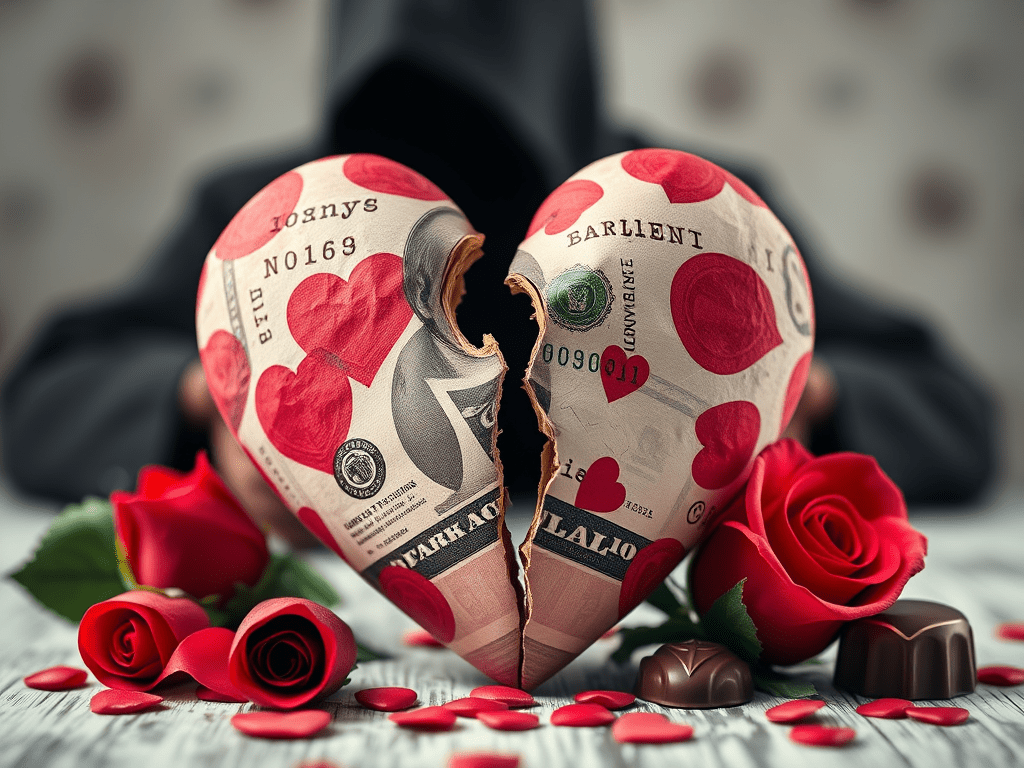
Valentine’s Day is a time for roses, chocolates, and heartfelt connections, but it’s also a time when romance scammers ramp up their activity, targeting lonely hearts online. What feels like serendipity can quickly turn into heartbreak… and financial loss. At Shepherd Security, we believe in protecting both your emotional well-being and your digital life. So this February, let’s talk about what romance scams are, how they work, and how to defend yourself and others.
What Are Romance Scams?
A romance scam is a type of confidence fraud where a scammer builds a fake relationship with someone — often on a dating app, social media, or messaging service — with the ultimate goal of stealing money or personal information. The scammer typically uses stolen photos and fabricated backstories to seem attractive and trustworthy. Once trust is established, they invent urgent financial needs — medical bills, travel costs, legal fees — and start asking for cash or sensitive data.
Unlike a genuine connection growing organically, these relationships are engineered — not to be real, but to manipulate your emotions and your resources.
What Do Scammers Really Want?
Romance scammers don’t want love — they want money, access to your bank accounts, or even to use your identity for further fraud. Some scammers:
- Ask for direct cash transfers, gift cards, or cryptocurrency.
- Coerce victims into acting as money mules, forwarding illicit funds.
- Extract sensitive personal details that can fuel identity theft.
Because they’ve perfected their tactics, these fraudsters can appear genuine and caring — at least at first.
By the Numbers: A Growing Threat
Romance scams are big business for criminals — and the scale is shocking:
- In 2023, the FTC received over 64,000 reports of romance scams, with total losses exceeding $1.1 billion — making them one of the costliest categories of fraud.
- Over the last five years, reports to the FTC showed cumulative losses of about $1.3 billion.
- Malwarebytes research shows 10% of victims lose $10,000 or more, with some losing six figures.
- Nearly half of dating app users encounter fraudulent behavior; 13% lose money, averaging more than $2,000.
These figures likely underestimate the true impact — many victims are ashamed to report the scam.
Red Flags: What to Look Out For
Scammers use many tricks to build trust quickly and isolate you from support systems. Watch for these warning signs:
- Too Much Too Soon – Rapid declarations of love or affection.
- Off-Platform Requests – They insist you move conversations to email or messaging apps.
- No In-Person Meeting – Endless excuses why they can’t meet or video chat.
- Urgent Money Requests – They ask for financial help for emergencies or “opportunities.”
- Inconsistencies – Their story changes, or details don’t line up.
- Fake Profiles – Profile photos that show up elsewhere in reverse image searches.
If someone pushes for quick emotional intensity, slow down — and trust your instincts.
What To Do If You Fall for a Romance Scam
First, don’t blame yourself — even smart, cautious people can be deceived by sophisticated social engineers.
Here’s how to respond:
- Stop all contact immediately.
- Block the scammer on every platform they’ve used.
- Talk to someone you trust. A fresh perspective can help you see warning signs.
- Contact the dating site or social network where you met them — reporting helps protect others.
- Report the fraud to authorities. In the U.S., file a complaint with the FTC and the FBI’s IC3.
- Check your financial accounts for unusual activity; place alerts or freezes if needed.
- Seek emotional support. Scams can be traumatic — support groups, counselors, and victim resources can help.
Love Safely This Valentine’s Day
Valentine’s Day is about connection — not cancellation. Online dating and relationships can be fulfilling and real, but being informed and cautious is part of modern romance.
Protect your heart and your data:
- Go slow and verify identities.
- Keep personal information private.
- Engage your support network when something feels off.
Scammers don’t care about love — only they care about what they can take from you. But with awareness and preparation, you can enjoy Valentine’s Day with confidence.

 shepherdsecurity.net
Leave a comment