
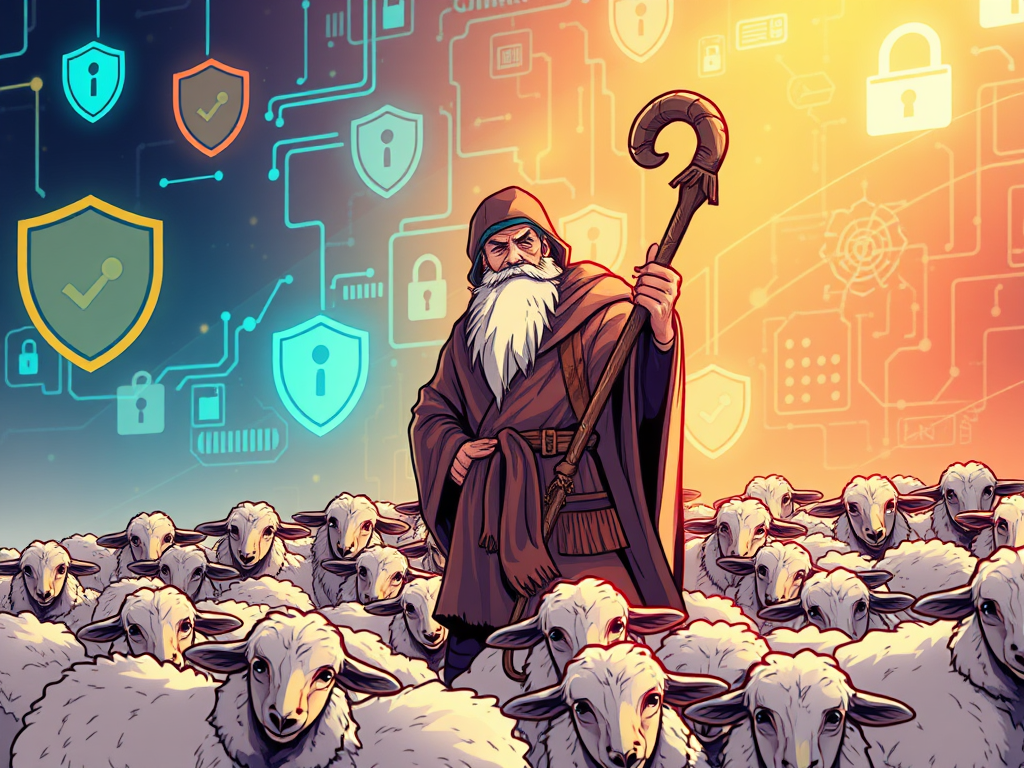
Welcome to the Shepherd’s Crook, where we guide you through the digital wilderness to ensure you and your loved ones are safe and secure. At Shepherd Security, we believe in empowering small businesses, non-profits, churches and individuals to protect themselves and others, just as a shepherd guards their flock. In today’s digital world, maintaining good cybersecurity hygiene is crucial. Here are some essential practices to help you stay vigilant and secure.
Strong, Unique Passwords
One of the simplest yet most effective ways to protect your online accounts is by using strong, unique passwords for each account. Avoid using easily guessable information like birthdays, anniversary dates, bible verses or common words. Instead, create complex passwords that include a mix of letters, numbers, and special characters. To manage multiple passwords, consider using a password manager. This tool can generate and store strong passwords, ensuring you don’t have to remember each one.
Enable Multi-Factor Authentication (MFA)
Multi-Factor Authentication (MFA) adds an extra layer of security to your accounts by requiring two or more verification methods. This could be something you know (a password), something you have (a smartphone), or something you are (fingerprint or facial recognition). Enabling MFA can significantly reduce the risk of unauthorized access, even if your password is compromised.
Regular Software Updates
Keeping your software up to date is crucial for protecting against vulnerabilities. Software updates often include patches for security flaws that could be exploited by hackers. Make it a habit to install updates for your operating system, applications, and antivirus software as soon as they become available. Ignoring these updates can leave your devices exposed to cyber threats.
Backup Your Data
Regularly backing up your data ensures that you have a copy of your important files in case of a cyber attack, hardware failure, or other data loss events. Follow the 3-2-1 backup strategy: keep three copies of your data, store them on two different types of media, and keep one copy offsite or offline. This approach minimizes the risk of losing your data and ensures you can recover quickly if something goes wrong.
Be Cautious with Emails and Links
Phishing attacks, where attackers impersonate trusted entities to steal information or spread malware, are still prevalent. Be cautious when opening emails from unknown senders, and never click on links or download attachments unless you are sure they are safe. Verify the authenticity of the email by contacting the sender through a different communication method if you have any doubts.
Use Antivirus Software
Antivirus software is essential for detecting and removing malicious software from your devices. Ensure you have a reputable antivirus program installed and keep it updated. Some advanced antivirus solutions also offer features like real-time threat detection, ransomware protection, and secure browsing, providing comprehensive protection against various cyber threats.
Secure Your Wi-Fi Network
Your home or office Wi-Fi network can be a gateway for cyber attackers if not properly secured. Change the default router password to a strong, unique one, and use WPA3 encryption if available. Additionally, consider setting up a guest network for visitors to keep your main network more secure.
Practice Safe Browsing
Be mindful of the websites you visit and the information you share online. Avoid downloading software or files from untrusted sources, and be cautious when entering personal information on websites. Look for HTTPS in the website URL, which indicates a secure connection.
Educate Yourself and Others
Staying informed about the latest cybersecurity threats and best practices is crucial for maintaining good cybersecurity hygiene. Follow reputable sources for cybersecurity news, attend webinars, and participate in training sessions. Share your knowledge with friends, family, and colleagues to help them stay safe online as well.
Conclusion
At Shepherd Security, we believe that everyone has a role to play in protecting their flock. By adopting these basic cybersecurity hygiene practices, you can significantly reduce your risk of falling victim to cyber attacks. Remember, cybersecurity is a shared responsibility, and staying vigilant is key to protecting yourself and your digital assets.
Thank you for reading. I hope this post blesses you and helps keep you and your flock safe. Feel free to comment below or reach out if you have any questions. Stay safe and God bless!
-John Johnson
Shepherd Security

 shepherdsecurity.net
Leave a comment